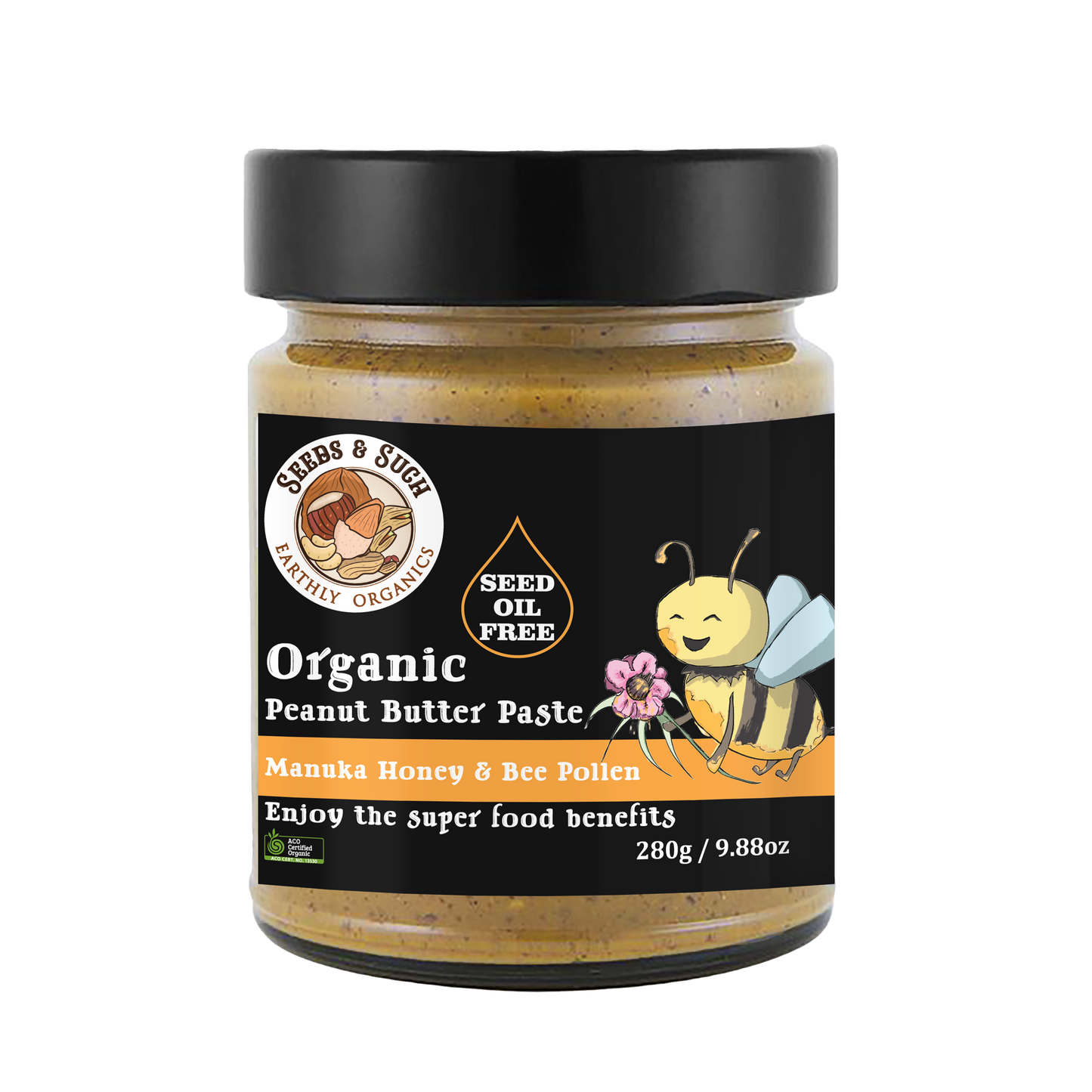
As an Aussie mum, you're constantly juggling the challenge of keeping your family healthy while navigating busy schedules and picky eaters. Between school drop-offs, sports practice, and trying to get veggies into every meal, finding nutritious snacks that your kids actually enjoy can feel like an uphill battle.
Enter cashew nuts—the creamy, naturally sweet superfood that's been hiding in plain sight.
What makes cashew nuts so nutritious?
Cashew nuts aren't just delicious—they're nutritional powerhouses packed with essential vitamins and minerals your growing family needs. These kidney-shaped seeds (yes, they're technically seeds, not nuts!) are loaded with heart-healthy fats, plant-based protein, and vital nutrients that support everything from bone health to brain development.
Research published in the British Journal of Nutrition suggests that regular cashew consumption might improve body composition and support cardiovascular health. Meanwhile, studies featured in Medical News Today highlight how cashews may help reduce inflammation and support overall wellbeing.
Key nutrients in cashews
A small handful (about 30 grams) of organic cashews provides:
-
Healthy fats: Primarily monounsaturated and polyunsaturated fats that support heart health and brain development
-
Plant-based protein: Essential for muscle growth and cellular repair
-
Magnesium: Supports bone development and over 300 enzymatic processes in the body
-
Iron: Critical for healthy red blood cells and preventing fatigue
-
Zinc: Boosts immune function and supports wound healing
-
Copper: Aids in building healthy skin, hair pigment, and collagen production
- Vitamin E: A powerful antioxidant that protects cells from damage
The health benefits your family needs
Cashews offer a host of health benefits, including:
Heart health protection
One of the most interesting benefits of cashews is their potential positive impact on cardiovascular health. Research indicates that cashews contain antioxidants that may help prevent the hardening of arteries, a key factor in heart disease development. Studies have shown that people who incorporated cashews into their diet experienced reductions in total cholesterol and LDL cholesterol levels.
Blood sugar management
For families concerned about maintaining healthy blood sugar levels, cashews may offer significant benefits. The combination of healthy fats and protein in cashews helps slow the release of sugar into the bloodstream, preventing those dreaded energy crashes that leave kids (and parents!) feeling sluggish. Research has demonstrated that cashew consumption might improve insulin sensitivity, which could be particularly beneficial for those managing type 2 diabetes.
Bone and muscle development
Growing kids need strong bones and muscles, and cashews deliver. With their rich content of magnesium, phosphorus, and vitamin K (and a trace amount of calcium), these nuts support healthy bone density and muscle function—essential for active children who are constantly on the move.
Brain power and focus
The healthy fats in cashews, particularly monounsaturated fatty acids, might play a crucial role in brain health and cognitive function. These fats support the development of the brain's structure and could help improve memory and concentration—perfect for school-aged children.
Brain power and focus
Unlike sugary snacks that lead to energy spikes and crashes, cashews provide sustained energy thanks to their balanced combination of protein, healthy fats, and complex carbohydrates. This makes them an ideal snack for active kids between meals.
Are cashews safe for kids?
According to Nutrition Australia, nuts should be introduced to children's diets early on, just like other foods. However, there are important safety considerations every parent should know.
Choking prevention
Children under five should never be given whole cashews due to the risk of choking. Instead, offer:
- Finely ground cashew powder mixed into porridge or yoghurt
- Smooth cashew butter spread thinly on toast
- Cashew cream blended into smoothies
For children over five, you can gradually introduce chopped or halved cashews, always under supervision.
Allergy awareness
While cashew allergies affect a relatively small percentage of the population, they can be serious. When introducing cashews for the first time, start with a small amount and watch for any signs of allergic reaction, including:
-
Skin rashes or hives
-
Swelling of the lips, face, or tongue
-
Difficulty breathing
- Stomach pain or vomiting
If you notice any of these symptoms, seek medical attention immediately and consult with your GP about allergy testing.
School lunchbox considerations
Many Australian schools have nut-aware or nut-free policies to protect children with severe allergies. Always check your school's policy before packing any nut products in your child's lunchbox. If nuts are permitted, cashew butter can be an excellent alternative to peanut butter for variety and nutrition.
Making the switch to organic cashews
When it comes to feeding your family, quality matters. Organic cashews are grown without synthetic pesticides, herbicides, or genetically modified organisms (GMOs)—giving you peace of mind that you're offering the cleanest, most natural nutrition possible.
Conventional cashew farming often relies heavily on chemical treatments that can leave residues on the final product. By choosing organic options, you're reducing your family's exposure to potentially harmful substances while supporting more sustainable farming practices.
From whole nuts to cashew butter: Versatility in your kitchen
One of the best things about cashews is their incredible versatility. Beyond snacking straight from the packet, these nutritious gems can be incorporated into countless family meals:
Breakfast ideas
-
Sprinkle ground cashews over porridge or cereal
-
Blend cashew butter into smoothies for extra creaminess
- Spread cashew butter on wholegrain toast with sliced banana
Lunch and dinner options
-
Add chopped cashews to stir-fries for extra crunch
-
Use cashew cream as a dairy-free alternative in pasta sauces
- Incorporate ground cashews into homemade energy balls
Snack time solutions
- Create a trail mix with dried fruit and cashews
- Offer apple slices with cashew butter for dipping
-
Mix cashew butter into yoghurt with a drizzle of honey
Why cashew butter deserves a spot in your pantry
If you've been relying solely on traditional spreads, it's time to discover the smooth, naturally sweet goodness of organic cashew butter.
Unlike heavily processed alternatives laden with added sugars, palm oil, and preservatives, quality cashew butter offers pure, wholesome nutrition in every spoonful.
Cashew butter provides a milder, slightly sweeter flavour compared to other nut butters, making it particularly appealing to children who might turn their noses up at stronger-tasting options. The creamy texture makes it easy to spread, blend, or incorporate into recipes.
For families looking to diversify their diet, cashew butter offers an excellent alternative to more common spreads. While it's produced in facilities that may also process peanuts, it provides variety in flavour and nutrition for those without peanut restrictions.
The best part? You can use cashew butter in virtually any recipe that calls for other nut butters—from baking to smoothies to savoury sauces. It's a simple swap that adds both nutrition and delicious flavour to your family's favourite meals.
Tips for incorporating cashews into your family's diet
Start small: Introduce cashews gradually, especially if your children are new to eating nuts. Begin with small amounts mixed into familiar foods.
Choose unsalted varieties: Raw or dry-roasted cashews without added salt are the healthiest options for children. Excess sodium isn't necessary and can mask the naturally delicious flavour.
Store properly: Keep cashews in an airtight container in a cool, dark place. For longer-term storage, pop them in the fridge or freezer to maintain freshness and prevent rancidity.
Mix it up: Combine cashews with other healthy foods like seeds, dried fruits, and wholegrain cereals to create varied, nutritious snacks.
Lead by example: Kids are more likely to try new foods when they see their parents enjoying them. Make cashews a family snack rather than just a "kid food."
Making healthy choices easy
As busy Aussie mums, we know that healthy eating shouldn't require a PhD in nutrition or hours of meal prep. The beauty of organic cashews and cashew butter is their simplicity—they're naturally nutritious, require zero preparation, and taste delicious straight from the packet or jar.
When you stock your pantry with quality organic cashew products, you're setting your family up for success.
Those afternoon hunger pangs? Sorted with a handful of cashews and some fruit. Need a quick protein boost before footy practice? A spoonful of cashew butter does the trick.
Looking for a wholesome ingredient to elevate your baking? Cashew butter transforms ordinary muffins into nutrient-dense treats.
The key is consistency. Regular consumption of cashews—about twice weekly—can help your family reap the long-term health benefits while keeping taste buds happy and tummies satisfied.
Frequently asked questions
Q: How many cashews should my child eat per day?
A: There’s no official daily recommendation for cashew intake in children. However, a small handful (about 10–15g) is generally considered an appropriate portion for kids, depending on age, appetite, and overall diet.
Cashews are calorie-dense, so small amounts can fill their tummies. If your child has dietary restrictions or specific health concerns, check with a healthcare professional.
Q: Can cashews help with my child's immune system?
A: They might! Cashews are rich in zinc, which plays a critical role in immune function. Zinc helps the body fight off infections and supports the production of immune cells. Combined with antioxidants like vitamin E and selenium, cashews could contribute to a stronger immune system—especially important during cold and flu season.
Q: Are roasted cashews as healthy as raw cashews?
A: Both roasted and raw cashews offer excellent nutrition, though there are slight differences. Roasting might actually increase certain beneficial compounds like linoleic acid, which supports brain and heart health.
However, roasting at high temperatures with added oils and salt can reduce some nutritional benefits. Your best bet is choosing dry-roasted, unsalted organic cashews or purchasing raw organic cashews and lightly roasting them at home.
Q: Can I give cashew butter to my baby?
A: Yes, you can introduce smooth cashew butter to babies from around 6 months of age when they start eating solid foods. Always spread it thinly on toast or mix it into porridge—never give spoonfuls of nut butter to babies or young children as the sticky consistency poses a choking risk.
Start with small amounts and watch for any allergic reactions. Consult your paediatrician if you have concerns, especially if there's a family history of nut allergies.
Q: What's the difference between organic and conventional cashews?
A: Organic cashews are grown without synthetic pesticides, herbicides, or genetically modified organisms. This means fewer chemical residues on the final product and more environmentally sustainable farming practices.
For families committed to reducing exposure to potentially harmful chemicals, organic cashews offer peace of mind.
Q: Can cashews really help manage blood sugar levels?
A: Research suggests that cashews might play a beneficial role in blood sugar management. The combination of healthy fats, fibre, and protein helps slow the absorption of sugar into the bloodstream, preventing rapid spikes and crashes.
Some studies have shown that regular cashew consumption could improve insulin sensitivity. However, cashews should be part of a balanced diet—not a standalone solution for diabetes management. Always consult with healthcare professionals for personalised advice.
The bottom line
In a world full of processed snacks and questionable ingredients, organic cashews and cashew butter stand out as genuinely healthy choices for your family. They're naturally nutritious, deliciously satisfying, and remarkably versatile—ticking all the boxes for busy Aussie mums who want the best for their kids without the fuss.
From supporting heart health and brain development to providing sustained energy and immune support, cashews deliver real benefits backed by scientific research.
Whether you're spreading cashew butter on morning toast, mixing ground cashews into a lunchbox trail mix, or using them to create creamy dairy-free sauces for dinner, these little nutritional powerhouses deserve a permanent place in your pantry.
Ready to make the switch to cleaner, healthier snacking? Your family's taste buds—and their bodies—will thank you.
Discover the difference organic makes. Try our premium organic cashew butter today and give your family the nutrition they deserve.